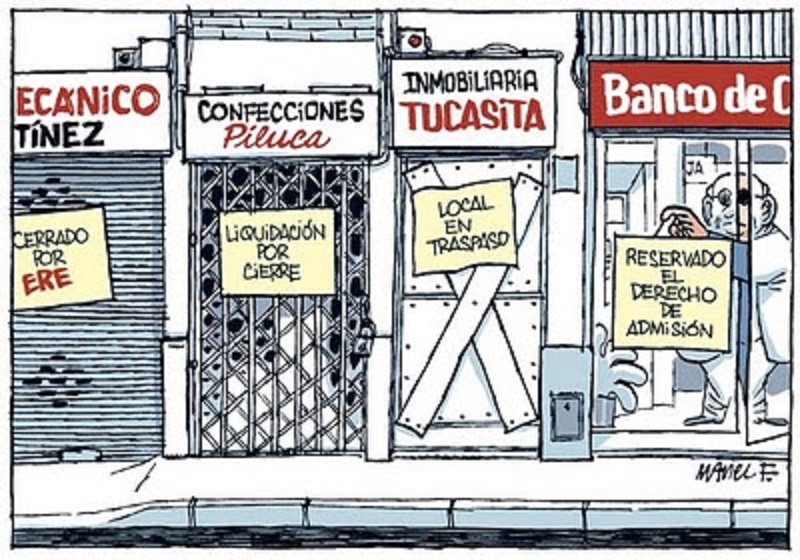
Economists frequently overwhelm us with numbers, presenting stark statistics from a global economic machine that many find incomprehensible. Whether this system is on the brink of explosion or we are currently witnessing its collapse is of little distinction for the purposes of this discussion. These statistics coldly translate into escalating instances of hunger, disease, wars, and migrations – in essence, a rise in violence, pain, and human suffering.
It’s challenging to predict the extent of this decline or how to react as the system falls apart, yet contemplating these questions is worthwhile. This article interprets certain numbers and encourages action. A recent update on global wealth distribution has sparked shock and anger: as of 2015, the world’s wealthiest 1% own more than the bottom 70%. This disparity has accelerated in recent years and is expected to grow, with the 1% projected to own more than the other 99% by 2020, unless trends change.
Reviewing the last 50 years, this pattern is confirmed, although it’s also true that there have been positive advancements, especially in Latin America. However, this piece focuses on the system as a whole and on humanity at large. Today’s interconnected humanity lives in a «closed system» dominated by the central values of power and money, imposing uniform laws globally, regardless of geographical or ideological differences.
Different perspectives exist on interpreting these statistics. Some view the data as part of an unchangeable reality, while others believe in the system’s improvement or «perfectibility» by tweaking certain mechanisms so progress reaches all people globally, a belief popular among the economic elite. Yet another view sees these statistics as signaling the end of a historic cycle, a «great disillusionment» indicating the failure of a society with ample resources to resolve fundamental issues like health, housing, and education for all its people.
This article explores what might emerge after this period of «great disillusionment» and insists that no entity reflecting the current system’s values will lead to change. Instead, a «new cycle» will arise from a complete rejection of these values by future generations, guided by humanism, non-violence, compassion, deep reconciliation, cultural respect, and universal love.
Drawing on Silo’s work, particularly «Letters to My Friends,» this article suggests a system revolution is necessary, opening up to the diversity of human needs and aspirations to avoid general disorder. On a personal level, we can contribute to this societal evolution through specific actions inspired by Silo’s Message, such as rejecting violence, treating others as we wish to be treated, prioritizing human values over all others, opposing discrimination, resisting violence, striving for coherence in thought, emotion, and action, and advocating for a world without nuclear weapons.
These ideas represent a shift from the current system’s values and can be implemented daily, transforming personal and social suffering. Many around the world are already promoting these principles, potentially leading to social evolution and changing the current bleak statistics towards ending a system mired in violence.
Con información de https://www.pressenza.com/es/2016/02/estadisticas-salvajes-en-un-sistema-social-cerrado-propuestas-humanistas/#comment-3650